Markets
Global markets. One trusted advocate.
We focus on six markets so our advice stays genuinely informed — and we're just as willing to tell you when one isn't right for you.
Market
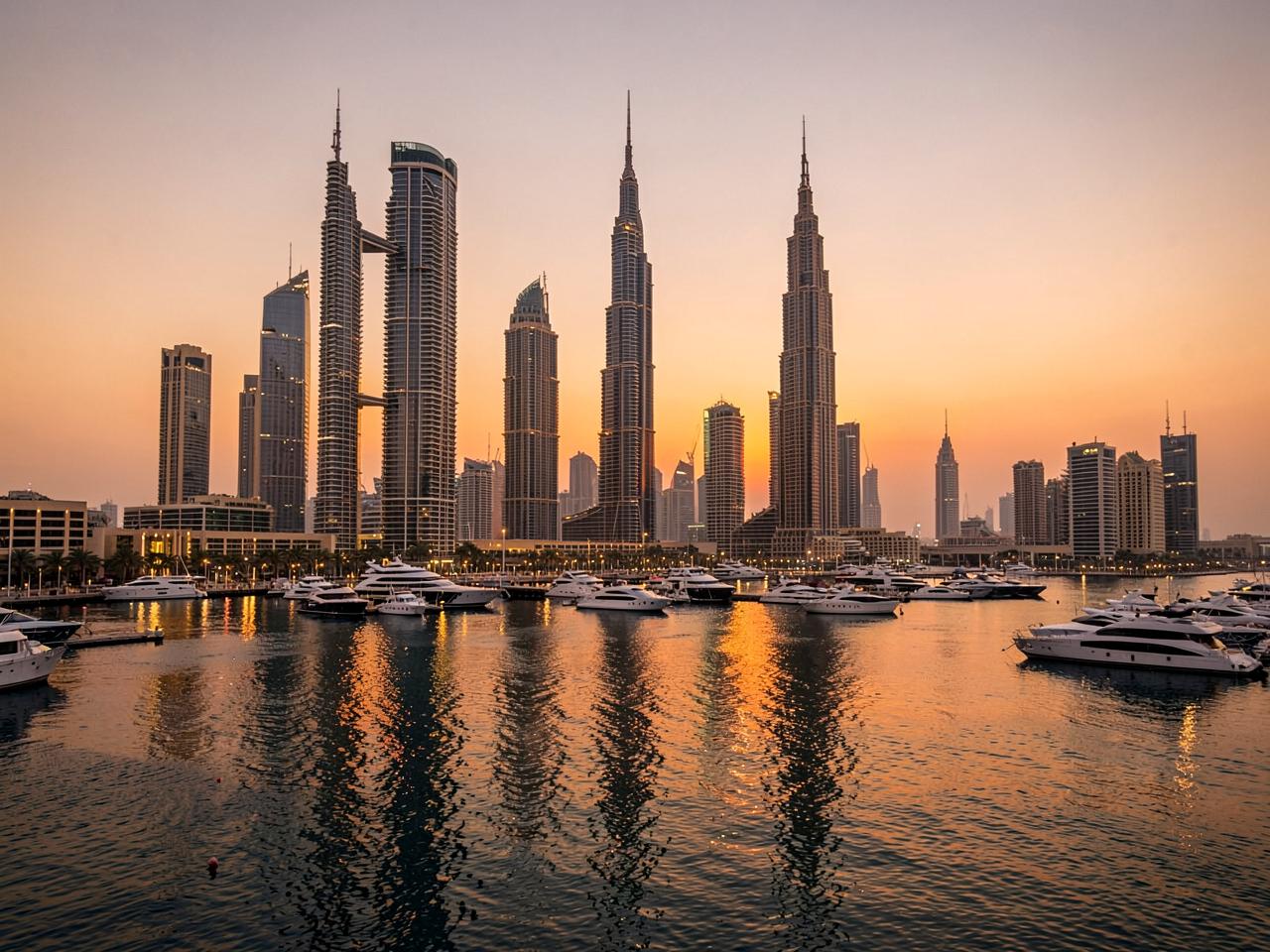
Dubai
Dubai is an established, internationally recognised property market that attracts investors from around the world. Foreign buyers can purchase freehold property in designated areas, and the UAE has no personal income tax.
Why investors look here
- Internationally recognised, well-established market
- Freehold ownership available to foreigners in designated areas
- No personal income tax in the UAE
- Property investment may support eligibility for UAE long-term residency visas, subject to criteria
Typical property types
Off-plan and ready apartments, townhouses and villas across a wide range of communities.
Things to know
- Developer track record and delivery history
- Ongoing service charges for the building or community
- Off-plan payment plan structures and milestones
- Future supply pipeline within each community
Market
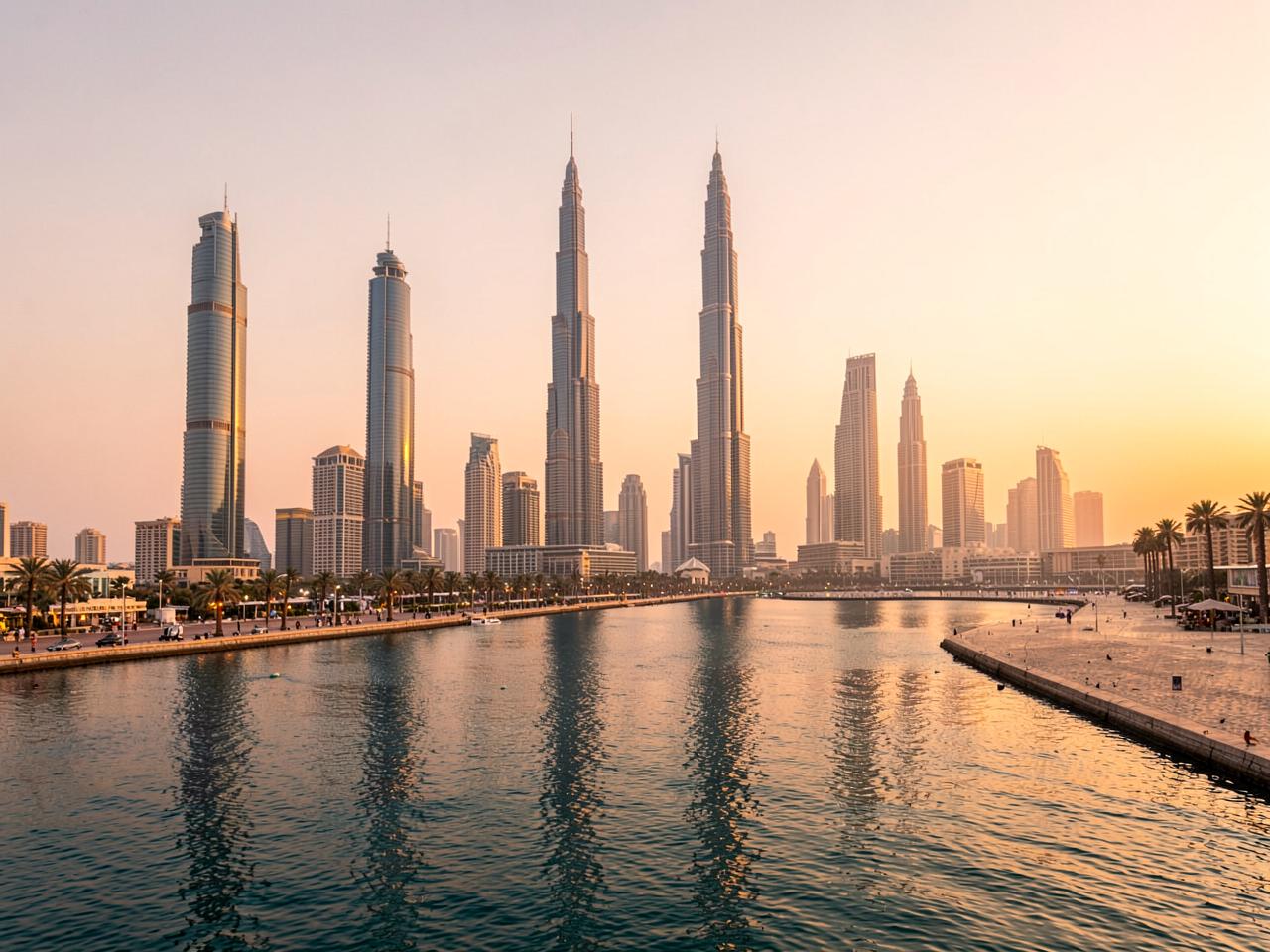
Abu Dhabi
Abu Dhabi is the capital of the UAE and has a growing cultural and tourism profile. Foreigners can buy freehold property within designated investment zones such as Saadiyat Island, Yas Island and Al Reem Island.
Why investors look here
- Capital city of the UAE
- Freehold ownership for foreigners within designated investment zones
- Growing cultural and tourism profile
- A choice of apartments, townhouses and villas
Typical property types
Apartments, townhouses and villas within designated investment zones.
Things to know
- Confirm the property sits within an eligible investment zone
- Off-plan versus ready stock and what each involves
- Ongoing service charges
Market
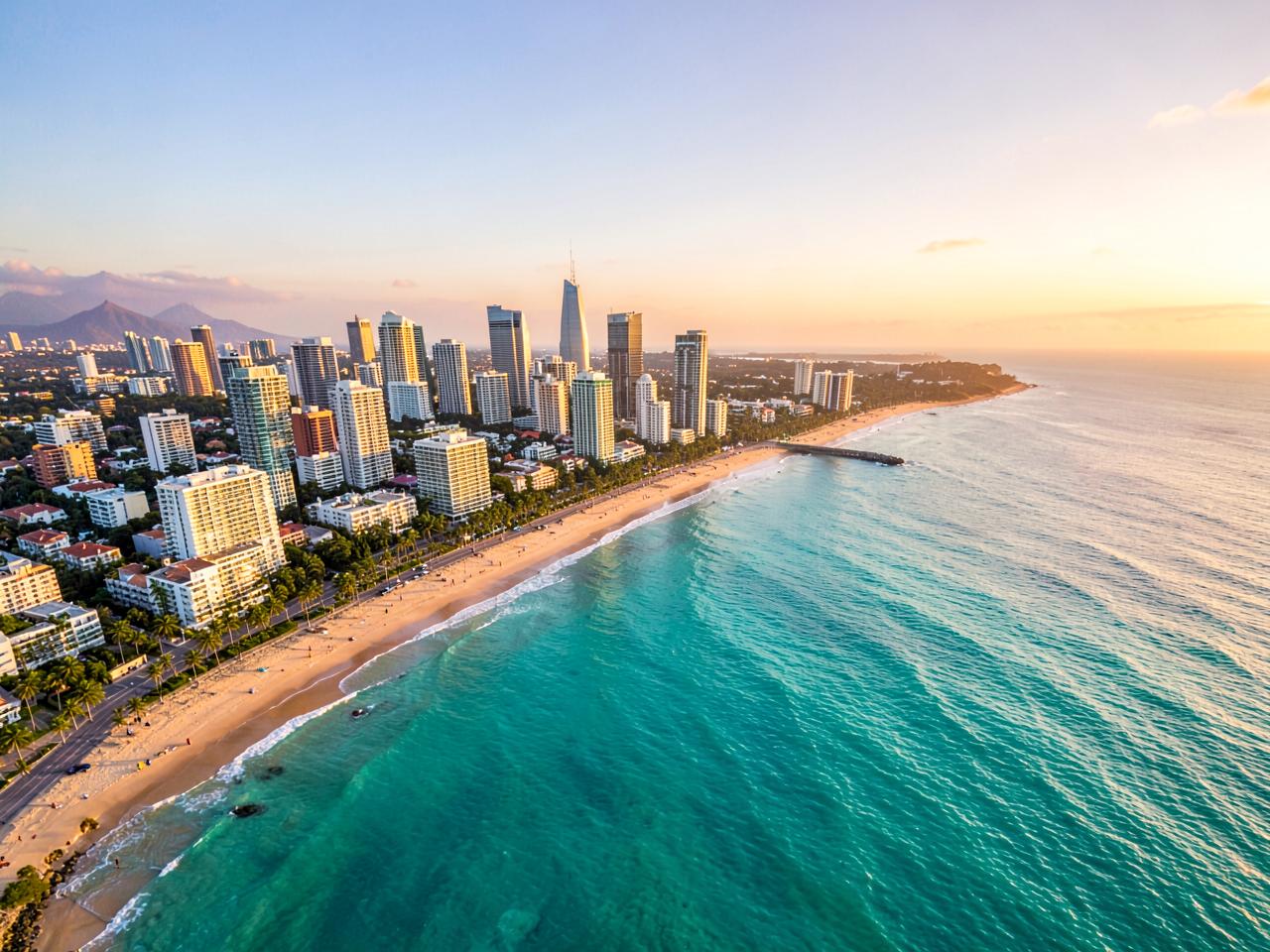
Australia
Australia offers a stable legal system, a transparent title system and a long history of property investment. Rules for foreign buyers are specific and change over time, so eligibility should be confirmed before you commit.
Why investors look here
- Stable legal system
- Transparent title system
- Long, well-documented history of property investment
- Familiar market for many expatriate Australians
Typical property types
Houses, townhouses and apartments across capital cities and regional centres.
Things to know
- Foreign persons generally need FIRB approval
- A temporary ban stops most foreign persons buying established dwellings from 1 April 2025 to 31 March 2027, with limited exceptions; new dwellings remain available with approval
- States apply foreign purchaser stamp duty surcharges
- Australian citizens living overseas are treated differently to foreign persons

Market
New Zealand
New Zealand offers a stable legal system, a transparent title system and established rental markets in Auckland, Wellington, Christchurch and Queenstown. Who may buy is determined by your citizenship or visa, so eligibility is the first thing to confirm.
Why investors look here
- Stable legal system and transparent title system
- Australian citizens and permanent residents are generally treated as local buyers
- Established rental markets across the main centres
- Tourism and lifestyle demand in areas such as Queenstown
Typical property types
Houses, townhouses and apartments across Auckland, Wellington, Christchurch and Queenstown.
Things to know
- Under the Overseas Investment Act, most overseas buyers cannot purchase existing homes
- Australian and Singaporean citizens and permanent residents are generally not caught by that restriction
- Since the reforms that took effect on 6 March 2026, holders of qualifying investor visas (Active Investor Plus, Investor 1 and Investor 2) can buy or build a home worth NZ$5 million or more, with a fast-tracked consent process
- Limited pathways exist for some new-build purchases, so confirm eligibility before you commit
- Rental rules, healthy homes standards and tax treatment differ from Australia

Market
Bali
Bali's tourism economy drives short-stay rental demand, with villas and boutique developments the most common investment stock. Ownership structure is the single most important consideration for foreign buyers.
Why investors look here
- Tourism-driven short-stay rental demand
- Villas and boutique developments available
- Established international visitor market
- Lifestyle appeal alongside investment potential
Typical property types
Villas and boutique developments, often operated as short-stay accommodation.
Things to know
- Foreigners cannot hold freehold (Hak Milik) title directly
- Common structures are leasehold, Hak Pakai (right of use) and a foreign-owned company (PT PMA)
- Zoning and rental licensing matter
- Nominee arrangements carry significant legal risk

Market
Phuket
Phuket is Thailand's premier island destination with a strong tourism base. Condominiums and villas dominate the investment market, and each has a different ownership pathway for foreign buyers.
Why investors look here
- Strong, long-established tourism market
- Freehold condominium ownership available to foreigners within quota
- A choice of condominiums and villas
- Well-serviced island with international connections
Typical property types
Condominium units and villas, including resort-managed stock.
Things to know
- Foreigners can own condominium units freehold within a building's 49% foreign ownership quota, with funds transferred from overseas
- Foreigners can't own land directly, so villas are typically held via long-term leasehold
- Scrutinise rental guarantee programs carefully
- Thorough title due diligence is essential
The information on this website is general in nature and does not constitute financial, legal or tax advice. Please seek independent professional advice before making any investment decision.
Enquire
Start your investment conversation
Tell us where you are in your journey and we'll be in touch to arrange a free strategy call. Prefer email? Reach us at info@wiserpropertypartners.com.